“Don’t Think Twice” (2016). Cast: Keegan-Michael Key, Gillian Jacobs, Mike Birbiglia, Chris Gethard, Kate Micucci, Tami Sagher, Ben Stiller, Seth Barrish, Erin Darke, Sondra James, Maggie Kemper, Kati Rediger, Steve Waltien, Emily Skeggs, Gary Richardson. Director: Mike Birbiglia. Screenplay: Mike Birbiglia. Web site. Trailer.
Striving for success in the world of entertainment is full of hopes, dreams, challenges and frustrations. When we pursue it on our own, it can be terrifying, bewildering, exhilarating and, above all, lonely. But, when we aspire to greatness as part of a group, we at least have the support of others to make the struggle more tolerable and, one would hope, creatively fulfilling. Of course, being part of a collective is also fraught with the competition (sometimes friendly, sometime far from it) that comes with seeking to stand out from one’s peers, a potential threat to professional friendships and collaborations. Journeys like this are full of many distinct, meaningful moments, some euphoric, some bittersweet, but few of them dull. Learning how to address these kinds of issues is central to the lives of the protagonists in the outstanding new indie comedy, “Don’t Think Twice.”
Making one’s way in the world of improv comedy is an uphill battle to get recognized. Just ask the members of the Commune, an exceedingly talented, enthusiastic Brooklyn-based troupe that, regrettably, struggles to get by performing for small audiences. But, for Jack (Keegan-Michael Key), Samantha (Gillian Jacobs), Miles (Mike Birbiglia), Bill (Chris Gethard), Allison (Kate Micucci) and Lindsay (Tami Sagher), the hope of one day making it big keeps them going.
The tightly knit group performs together like a well-oiled machine. However, when word comes down that the building housing their theater has been sold and slated for conversion, it looks like the end of the line for the Commune. With the troupe’s possible dissolution pending, the individual members begin thinking about their future, particularly getting a shot at auditioning for the cast of Weekend Live, a popular, late night network sketch comedy show.
Some troupe members, like Jack, are ready for the change. Others, like Samantha, clearly have the talent but lack the self-confidence and the desire to move forward. Others still, like Miles, think they’re prepared, but are they really being honest with themselves? Then there are those who seem adrift, like Allison, Lindsay and Bill, who aren’t sure what’s next and may be ready to hang up everything once and for all.
Members of the Commune improv comedy troupe (from left, Tami Sagher, Gillian Jacobs, Keegan-Michael Key, Mike Birbiglia, Chris Gethard, Kate Micucci) seek to make it big in “Don’t Think Twice.” Photo courtesy of Jon Pack/The Film Arcade.
Then, of course, there are the relationships, friendships and collaborations among the group members, all of which are thrown into jeopardy with the impending changes. Can those aspects of their lives survive what is about to transpire? What will happen to them individually and collectively? Can they truly handle the success, failure and changes that loom?
And, through it all, there’s the work itself. It’s what all the troupe members (like countless other improv artists) strive to master. In fact, ironically enough, improv’s core nature could even be the Commune members’ saving grace when it comes to managing their lives and careers. As the film capably illustrates, improv is all about being in the moment, unquestioningly following one’s impulses and intuition. The operative commandment here is “don’t think” (let alone “don’t think twice”), because such an approach is essential to allowing one’s best work to come out. With so many significant changes hanging over the group, maybe they should take a page from their artistic playbook to find new paths for themselves as individuals. But will they?
That ability to live in the moment is crucial for anyone who practices conscious creation, the means by which we manifest the existence we experience through the power of our thoughts, beliefs and intents. As practitioners of the philosophy are well aware, the present is where the real point of power lies, for we cannot change a past that has already occurred or a future that is yet to happen. However, in the present moment, we have access to an infinite range of probabilities for materialization, all of which can be pursued based on the beliefs, thoughts and intents we employ in activating them. By recognizing this concept and how to make effective use of it, we can move in virtually any direction desired.
Of course, to succeed at this, we must clearly identify the beliefs we wish to embrace, which may not be as easy as it initially sounds. For instance, if we put forth a set of mixed signals to our divine collaborator, it won’t know how to respond. Consider Samantha’s situation as an example. She contends that she’s ready for the big time, but she’s also content to continue doing what she has been all along. She also feels somewhat insecure about possessing what it takes to get ahead. So, given a jumble of contradictory beliefs like that, what do you think the chances are that she’ll hit pay dirt? Maybe if she sets those worries aside, believes in herself and goes with the flow in the moment (as she routinely does well when on stage), she might realize a very different outcome.
Living in the moment also means allowing ourselves to faithfully follow our impulses and intuition. This may not seem wise in a world driven by logic and reason. Consequently, we often overlook such influences as untrustworthy and suspect. But acting upon such impressions – which may truly seem irrational and rash – could be just what we need. After all, our intuition is a major contributor to the formation of our manifesting beliefs, one that’s inherently just as vital as our intellect. Giving free rein to our impulses and intuition allows fresh, unfettered creations to come rushing forth, resulting in truly inspired outcomes. Indeed, anyone who has ever seen improv comedy done well – like that demonstrated in this film – can attest to the validity of this.
In many ways, improv itself is directly in line with the spirit of one of conscious creation’s guiding principles – that there are no “mistakes” involved in it. It’s an art form fundamentally based on trying out new ideas (following unexplored lines of probability when put in conscious creation terms) to see what they turn up. Some manifestations will undoubtedly be viewed as more effective than others, but such conclusions wouldn’t be reached were it not for trying out those untried notions in the first place. In effect, this practice validates the life lesson and learning curve aspects of conscious creation, both of which are essential to our personal growth and development, not to mention the expansion of the art form.
Because of this, improv created through the conscious creation process pushes limits, another chief aim of the philosophy. When those barriers are surpassed, the results can be remarkable, introducing us to entirely new types of manifestations never conceived of before. This represents the evolution of the art form, something that illustrates the conscious creation notion that everything is in a constant state of becoming. And that’s no laughing matter.
Members of the Commune improv comedy troupe (from left, Tami Sagher, Gillian Jacobs, Kate Micucci, Mike Birbiglia, Chris Gethard, Keegan-Michael Key) try out a variety of innovative routines in the hilarious new comedy, “Don’t Think Twice.” Photo courtesy of Jon Pack/The Film Arcade.
These principles are equally applicable to other aspects of our reality. As seen in the film, they’re apparent not only in the characters’ art but also in their relationships, collaborative efforts and careers. The results that they (and we) each get depend, of course, on the beliefs they hold about these matters, especially when it comes to how well they respond to the initial appearance of their own manifestations. If they willingly buy into the idea that our evolution is an ongoing process characterized by intrinsic change, they’re likely to find it smooth and revelatory. But, if they put up resistance and try to unduly hold on to what no longer serves them or impedes their personal progress, they’ll likely encounter a very different result. (Maybe they’d better follow their impulses and not think about it.)
“Don’t Think Twice” is a lively, funny, irreverent look at the world of improv and the struggle for that proverbial big break. From start to finish, the film feels genuine in its storyline, its humor, and its portrayal of the hopes, dreams and frustrations of making it big while remaining true to oneself, one’s peers and one’s art. It’s a sure-fire winner in virtually every regard. But its underlying messages transcend the comedy stage and are applicable to those looking to make a name for themselves, in no matter what field of endeavor.
Living in the moment is often seen as an inspired approach to life. But actually practicing it may prove more challenging than simply singing its praises. However, if we intentionally make an effort to follow through on it, especially when it comes to listening to our impulses and intuition, we may surprise ourselves at the results we get.
No joke.
Copyright © 2016, by Brent Marchant. All rights reserved.
Tuesday, August 2, 2016
Sunday, July 31, 2016
This Week in Movies with Meaning
Reviews of "Don't Think Twice" and "The Family Fang" and two podcast previews are all available in the latest Movies with Meaning post on the Blog Page of The Good Radio Network by clicking here.
Members of the Commune improv comedy troupe (from left, Tami Sagher, Gillian Jacobs, Keegan-Michael Key, Mike Birbiglia, Chris Gethard, Kate Micucci) seek to make it big in “Don’t Think Twice.” Photo courtesy of Jon Pack/The Film Arcade.
Friday, July 29, 2016
‘Captain Fantastic’ exposes the perils of belief dogma
“Captain Fantastic” (2016). Cast: Viggo Mortensen, George McKay, Frank Langella, Kathryn Hahn, Steve Zahn, Ann Dowd, Samantha Isler, Annalise Basso, Nicholas Hamilton, Shree Crooks, Charlie Shotwell, Trin Miller, Elijah Stevenson, Teddy Van Ee, Erin Moriarity, Missi Pyle. Director: Matt Ross. Screenplay: Matt Ross. Web site. Trailer.
Getting away from the crush of the world’s worries undoubtedly holds tremendous appeal, particularly for those seeking to support and raise their families in a natural, healthy environment untainted by the corruption, perils and concerns of everyday life. But does this kind of retreat from mainstream society truly live up to the promise of paradise found? That’s the question examined in the new family drama, “Captain Fantastic.”
Ben Cash (Viggo Mortensen) has rejected the evils of the outside world in favor of the wilderness of the Pacific Northwest. He lives in the forest with his six kids (George McKay, Samantha Isler, Annalise Basso, Nicholas Hamilton, Shree Crooks, Charlie Shotwell), teaching them how to live off the land, how to practice sustainable self-sufficiency and how to lead exceedingly ethical lives. He home-schools his children, educating them in a wide variety of subjects (often involving material far above what’s taught to their real world peers), and he rigorously trains them to maintain their physical health (leading them through routines comparable to those of Olympic athletes). Ben may be tough on his kids, but he positively adores them and sets a shining example for how to lead fulfilling, principled lives.
Ben Cash (Viggo Mortensen, right) leads several of his children (from left, Nicholas Hamilton, Samantha Isler, Annalise Basso, George McKay) through rigorous physical training in the woods in the unconventional family drama, “Captain Fantastic.” Photo by Erik Simkins, courtesy of Bleecker Street Media.
Such a lifestyle may be fine for those committed to staying in the woods, but, when a family tragedy forces Ben and the children to emerge from the forest, they soon find themselves out of their element. They don’t hesitate to fall back on their wilderness ways to get by, but it often leaves their real world counterparts aghast at some of the tactics they employ, some of which blatantly violate the high-minded principles they supposedly cherish. The conditions of everyday life also reveal a serious knowledge gap when it comes to kids’ awareness of the ways of mainstream society, often making them feel out of touch and ill-equipped to cope. What is Ben to do now?
Striking a balance, it would seem, is the most logical (and beneficial) course to follow. Living ethical lives and being self-sufficient are one thing, but the ability to maneuver in the larger world of which the family is a part is just as important. Indeed, it’s all well and good to take the moral high road to living one’s life, but what happens when circumstances compel compromising those principles just to get by? Those are thorny considerations the Cash family must address once out of the wilderness, a potentially volatile prospect when dealing with extended family members (Frank Langella, Ann Dowd, Kathryn Hahn, Steve Zahn).
Manifesting a personal utopia is certainly a laudable goal, one of the highest aims one might seek when employing the conscious creation process, the means by which we materialize the reality we experience through the power of our thoughts, beliefs and intents. Having been disillusioned by the real world, Ben and his wife, Leslie (Trin Miller), abandoned their careers and took to the woods to build anew, creating a life that literally embodied the principles they held dear. Their effort was certainly admirable, and they achieved a great deal of success, as evidenced by their sustained tenure there and the offspring they raised who personified their philosophy of life. Obviously, they had a good handle on their beliefs, and they exercised their power over them with judiciousness and expert skill.
Extended family members Harper (Kathryn Hahn, left) and Dave (Steve Zahn, right) are baffled by the alternative lifestyle of their woodland cousins in director Matt Ross’s award-winning new family drama, “Captain Fantastic.” Photo by Erik Simkins, courtesy of Bleecker Street Media.
But, despite their idyllic setting, the family nevertheless is part of a larger world, one co-created by fellow collaborators who evidently hold fast to a very different – and prevailing – set of beliefs, the results and conditions of which are fundamentally opposed to those of their woodland peers. Even though Ben and the kids may reject those ways, they can’t ignore them, especially when they find themselves having to deal with them in the wake of their personal tragedy. Holding steadfast to one’s convictions, no matter how fervently, may not be enough to override the paradigm of that larger world.
In situations like this, it may be necessary to adjust one’s thinking to deal with this newfound set of circumstances. It would seem a reasonable accommodation under the existing conditions. However, Ben is so bought in to his beliefs that he holds on to them stubbornly, with an almost dogmatic zeal, so much so that he even coaxes his children into engaging in behavior that deliberately goes against his beloved principles. He attempts to rationalize away such discrepancies, but is this a realistic course? What’s more, is this really the kind of example he wants to set for his kids or the outsiders to whom he so earnestly preaches?
These circumstances illustrate what can happen when we allow our beliefs to turn into obsessions. Flexibility flies out the window, and dogma comes to rule the day, whether it’s warranted, feasible or desirable. It’s at times like this when we may find ourselves faced with having to re-evaluate our views, making adjustments as needed to be able to cope – or otherwise face undesirable consequences.
This is not to suggest that surrendering to the mainstream is preferable. Goodness knows the prevailing conventional wisdom is full of pitfalls worthy of rejection, as evidenced by Ben’s overwhelming compulsion to flee to the wilderness in the first place. But abandoning one’s outlook entirely just to get by is no answer, either. Ben and his kids obviously have points to make about how to live a fulfilling life, and they set an exemplary standard in many respects. By holding fast to those aspects of their lives that set a valuable example, they can provide food for thought to their real world peers, serving as a shining source of inspiration to others who may have never considered such options.
The experience of Ben and his kids, when lined up against that of their real world extended family members, serves as an apt metaphor for the belief polarization that characterizes contemporary American society. The left-right, liberal-conservative divide that’s so typical of current culture is brought down to the microcosmic level in this film’s narrative. And, just like what happens in the off-screen world, it’s apparent here that digging in one’s heels, refusing to listen to opposing viewpoints and paying no heed to the concept of compromise are certainly no solutions, regardless of which side of the ideological fence one resides. Maybe it’s possible to draw the best from both worlds to achieve the right balance. But we must first open up ourselves to such a possibility, to believe in its validity and its feasibility as a workable option. Were we to do that, the results might truly be “fantastic.”
Ben Cash (Viggo Mortensen, second from left) schools his kids (from left, Shree Crooks, Samantha Isler, Nicholas Hamilton, Annalise Bossa, George McKay, Charlie Shotwell) in alternate ways of life in “Captain Fantastic.” Photo by Cathy Kanavy, courtesy of Bleecker Street Media.
This summer sleeper has somehow managed to sneak in under the radar, but thankfully it’s now surfaced, at least in limited release. This unconventional drama addresses a host of poignant issues (some flattering, some critical) on both ends of the social and ideological spectra, raising valid points for consideration and debate (one can only hope that a currently polarized America will have the patience to take the time to listen to each side). With gorgeous cinematography, an engaging script, subtle humor and a number of genuinely moving moments, this seasonal surprise is well worth a look. Writer-director Matt Ross has produced an enjoyable and inspiring offering, one that captured the 2016 Cannes Film Festival Un Certain Regard Directing Prize and earned a nomination for the Un Certain Regard Award.
Paradise is undoubtedly a goal many of us desire. But how blissful can it be if it’s built upon inflexible precepts with no room for tolerance or compromise? That’s a question those seeking to manifest utopia must ponder lest the consequences of rigidity come crashing down around them, an outcome that truly would result in paradise lost. “Captain Fantastic” offers us both an enlightening and cautionary tale, one that reminds us to be careful with what we create – or run the risk of losing everything.
Copyright © 2016, by Brent Marchant. All rights reserved.
Getting away from the crush of the world’s worries undoubtedly holds tremendous appeal, particularly for those seeking to support and raise their families in a natural, healthy environment untainted by the corruption, perils and concerns of everyday life. But does this kind of retreat from mainstream society truly live up to the promise of paradise found? That’s the question examined in the new family drama, “Captain Fantastic.”
Ben Cash (Viggo Mortensen) has rejected the evils of the outside world in favor of the wilderness of the Pacific Northwest. He lives in the forest with his six kids (George McKay, Samantha Isler, Annalise Basso, Nicholas Hamilton, Shree Crooks, Charlie Shotwell), teaching them how to live off the land, how to practice sustainable self-sufficiency and how to lead exceedingly ethical lives. He home-schools his children, educating them in a wide variety of subjects (often involving material far above what’s taught to their real world peers), and he rigorously trains them to maintain their physical health (leading them through routines comparable to those of Olympic athletes). Ben may be tough on his kids, but he positively adores them and sets a shining example for how to lead fulfilling, principled lives.
Ben Cash (Viggo Mortensen, right) leads several of his children (from left, Nicholas Hamilton, Samantha Isler, Annalise Basso, George McKay) through rigorous physical training in the woods in the unconventional family drama, “Captain Fantastic.” Photo by Erik Simkins, courtesy of Bleecker Street Media.
Such a lifestyle may be fine for those committed to staying in the woods, but, when a family tragedy forces Ben and the children to emerge from the forest, they soon find themselves out of their element. They don’t hesitate to fall back on their wilderness ways to get by, but it often leaves their real world counterparts aghast at some of the tactics they employ, some of which blatantly violate the high-minded principles they supposedly cherish. The conditions of everyday life also reveal a serious knowledge gap when it comes to kids’ awareness of the ways of mainstream society, often making them feel out of touch and ill-equipped to cope. What is Ben to do now?
Striking a balance, it would seem, is the most logical (and beneficial) course to follow. Living ethical lives and being self-sufficient are one thing, but the ability to maneuver in the larger world of which the family is a part is just as important. Indeed, it’s all well and good to take the moral high road to living one’s life, but what happens when circumstances compel compromising those principles just to get by? Those are thorny considerations the Cash family must address once out of the wilderness, a potentially volatile prospect when dealing with extended family members (Frank Langella, Ann Dowd, Kathryn Hahn, Steve Zahn).
Manifesting a personal utopia is certainly a laudable goal, one of the highest aims one might seek when employing the conscious creation process, the means by which we materialize the reality we experience through the power of our thoughts, beliefs and intents. Having been disillusioned by the real world, Ben and his wife, Leslie (Trin Miller), abandoned their careers and took to the woods to build anew, creating a life that literally embodied the principles they held dear. Their effort was certainly admirable, and they achieved a great deal of success, as evidenced by their sustained tenure there and the offspring they raised who personified their philosophy of life. Obviously, they had a good handle on their beliefs, and they exercised their power over them with judiciousness and expert skill.
Extended family members Harper (Kathryn Hahn, left) and Dave (Steve Zahn, right) are baffled by the alternative lifestyle of their woodland cousins in director Matt Ross’s award-winning new family drama, “Captain Fantastic.” Photo by Erik Simkins, courtesy of Bleecker Street Media.
But, despite their idyllic setting, the family nevertheless is part of a larger world, one co-created by fellow collaborators who evidently hold fast to a very different – and prevailing – set of beliefs, the results and conditions of which are fundamentally opposed to those of their woodland peers. Even though Ben and the kids may reject those ways, they can’t ignore them, especially when they find themselves having to deal with them in the wake of their personal tragedy. Holding steadfast to one’s convictions, no matter how fervently, may not be enough to override the paradigm of that larger world.
In situations like this, it may be necessary to adjust one’s thinking to deal with this newfound set of circumstances. It would seem a reasonable accommodation under the existing conditions. However, Ben is so bought in to his beliefs that he holds on to them stubbornly, with an almost dogmatic zeal, so much so that he even coaxes his children into engaging in behavior that deliberately goes against his beloved principles. He attempts to rationalize away such discrepancies, but is this a realistic course? What’s more, is this really the kind of example he wants to set for his kids or the outsiders to whom he so earnestly preaches?
These circumstances illustrate what can happen when we allow our beliefs to turn into obsessions. Flexibility flies out the window, and dogma comes to rule the day, whether it’s warranted, feasible or desirable. It’s at times like this when we may find ourselves faced with having to re-evaluate our views, making adjustments as needed to be able to cope – or otherwise face undesirable consequences.
This is not to suggest that surrendering to the mainstream is preferable. Goodness knows the prevailing conventional wisdom is full of pitfalls worthy of rejection, as evidenced by Ben’s overwhelming compulsion to flee to the wilderness in the first place. But abandoning one’s outlook entirely just to get by is no answer, either. Ben and his kids obviously have points to make about how to live a fulfilling life, and they set an exemplary standard in many respects. By holding fast to those aspects of their lives that set a valuable example, they can provide food for thought to their real world peers, serving as a shining source of inspiration to others who may have never considered such options.
The experience of Ben and his kids, when lined up against that of their real world extended family members, serves as an apt metaphor for the belief polarization that characterizes contemporary American society. The left-right, liberal-conservative divide that’s so typical of current culture is brought down to the microcosmic level in this film’s narrative. And, just like what happens in the off-screen world, it’s apparent here that digging in one’s heels, refusing to listen to opposing viewpoints and paying no heed to the concept of compromise are certainly no solutions, regardless of which side of the ideological fence one resides. Maybe it’s possible to draw the best from both worlds to achieve the right balance. But we must first open up ourselves to such a possibility, to believe in its validity and its feasibility as a workable option. Were we to do that, the results might truly be “fantastic.”
Ben Cash (Viggo Mortensen, second from left) schools his kids (from left, Shree Crooks, Samantha Isler, Nicholas Hamilton, Annalise Bossa, George McKay, Charlie Shotwell) in alternate ways of life in “Captain Fantastic.” Photo by Cathy Kanavy, courtesy of Bleecker Street Media.
This summer sleeper has somehow managed to sneak in under the radar, but thankfully it’s now surfaced, at least in limited release. This unconventional drama addresses a host of poignant issues (some flattering, some critical) on both ends of the social and ideological spectra, raising valid points for consideration and debate (one can only hope that a currently polarized America will have the patience to take the time to listen to each side). With gorgeous cinematography, an engaging script, subtle humor and a number of genuinely moving moments, this seasonal surprise is well worth a look. Writer-director Matt Ross has produced an enjoyable and inspiring offering, one that captured the 2016 Cannes Film Festival Un Certain Regard Directing Prize and earned a nomination for the Un Certain Regard Award.
Paradise is undoubtedly a goal many of us desire. But how blissful can it be if it’s built upon inflexible precepts with no room for tolerance or compromise? That’s a question those seeking to manifest utopia must ponder lest the consequences of rigidity come crashing down around them, an outcome that truly would result in paradise lost. “Captain Fantastic” offers us both an enlightening and cautionary tale, one that reminds us to be careful with what we create – or run the risk of losing everything.
Copyright © 2016, by Brent Marchant. All rights reserved.
Thursday, July 28, 2016
Join Me for Movies with Meaning Today!
Join me and host Frankie Picasso today for this month's Movies with Meaning segment on the Frankiesense & More radio show! We'll discuss some of the summer season's inspiring new releases, among other topics. Tune in at 1 pm ET by clicking here.
Wednesday, July 27, 2016
‘Life, Animated’ explores alternatives for understanding the world
“Life, Animated” (2016). Cast: Owen Suskind, Ron Suskind, Cornelia Suskind, Walt Suskind, Gilbert Gottfried, Jonathan Freeman, Emily Jathas. Director: Roger Ross Williams. Screenplay: Ron Suskind. Book: Ron Suskind, Life, Animated: A Story of Sidekicks, Heroes and Autism. Web site. Trailer.
Finding our way in the world is difficult enough for most of us, but what if we were burdened by the challenges of autism? Would it be possible to make our way as independently functioning beings? Even more so, would it be possible to understand the fundamental nature of the world around us? As unlikely as those prospects might seem to some of us, there are always possibilities. Indeed, as the saying goes, “When there’s a will, there’s a way,” and that notion underscores the efforts of a remarkable young man as depicted in the uplifting new documentary, “Life, Animated.”
When Owen Suskind went silent at age three, his parents, Cornelia and Pulitzer Prize-winning journalist Ron Suskind, were shocked. Having been a vibrant, engaged toddler, Owen suddenly withdrew, uttering few sounds except for occasional gibberish. Needless to say, Ron and Cornelia wondered, how could this happen?
Not long thereafter, Owen was diagnosed with regressive autism. His parents did their best to care for him, though little seemed to help. However, the one thing that appeared to make a difference was showing Owen videos of Disney’s animated movies. Those pictures gave Owen joy before he went silent, and they seemed to spark something in him after his diagnosis. But what?
Over time, it became apparent that Owen had internally memorized the dialogue from all the Disney films he watched. And, years later, when Owen again began to utter fragments of phrases and sentences, it became obvious that he was using the Disney material as a filter for processing his understanding of the world. This realization unlocked the mystery of Owen’s “disappearance” – and provided the key to help his parents reach out to him once again.
With special guidance and counseling, Owen gradually became less withdrawn, emerging from his silence and re-engaging with others. And, as the film shows, he even took big steps toward becoming a highly functioning, independent adult, all thanks to the colorful characters first introduced to him through his beloved cartoons.
Autistic adult Owen Suskind finds a unique way to reconnect with the world in the inspiring new documentary, “Life, Animated.” Photo courtesy of The Orchard.
Based on Ron Suskind’s best-selling book Life, Animated: A Story of Sidekicks, Heroes and Autism, the documentary chronicles Owen’s personal history, intercut with segments profiling his efforts at becoming a self-sufficient 23-year-old. It features heartfelt interviews with its subject, his parents, his older brother Walt, his counselors, his girlfriend Emily and two of Owen’s favorite Disney voiceover artists, Gilbert Gottfried and Jonathan Freeman. The film also incorporates clips from many of Disney’s animated classics, including “Aladdin” (1992), “The Little Mermaid” (1989), “Beauty and the Beast” (1991), “The Lion King” (1994), “The Jungle Book” (1967), “Peter Pan” (1953), “Pinocchio” (1940), “Bambi” (1942) and “The Hunchback of Notre Dame” (1996).
Owen’s perseverance to make a comeback is truly inspiring, not only for the progress he has made, but also for the ingenuity he exercised in getting there. Even though he remained silent through much of his re-emergence process, the wheels of his mind were undoubtedly spinning the entire time. His condition limited his options regarding the tactics he could use, so he had to get creative, and, in doing so, he had to believe on some level that his solution was going to work. That attitude epitomizes what the conscious creation process is all about, the means by which we manifest the reality we experience through our thoughts, beliefs and intents.
Owen’s fascination with the Disney animated films gave him the key he needed. By using them as a sort of Rosetta Stone for understanding the world around him, he found a unique way to relate to his environment. Interestingly, as his father discovered through some drawings Owen made, the young man had a particular attraction to the sidekick characters in the movies, such as the squawky parrot Jafar from “Aladdin.” This preoccupation became so pronounced that Owen even came to see himself as the protector of the sidekicks, the characters who were always present but resided in the shadows of their heroic counterparts. By assuming this role, Owen thus found a purpose for his life, one that allowed him to benefit both himself and others similarly situated.
Upon his re-emergence, Owen actually began taking the lead in his dealings with his peers, forming a Disney video club for others with special needs. He became downright gregarious, a drastic departure from the silence of his childhood. He also began writing a book detailing his experience as the protector of the sidekicks. That’s quite a rebound for someone who was once thought irretrievably lost.
Thankfully, Owen believed in himself and his ability to overcome his challenges. His experience thus serves as a tremendous example to those around him – and to those of us in the viewing audience. Director Roger Ross Williams has created a candid, intimate and engaging biography of a remarkable young man challenged to find a way to reconnect with the world at a time when all seemed lost. This enlightening and informative documentary will change your mind about what’s feasible, shedding light on inventive ways to tackle problems that are seemingly unsolvable. With an acute eye toward avoiding sentimentality, “Life, Animated” keeps things real and does so with integrity and a great sense of style, especially in its original animation depicting Owen’s personal experience. This highly recommended offering may well provide the inspiration for those looking to see possibilities where none are thought to exist.
The next time you’re tempted to give up on life, consider the incredible odyssey of Owen Suskind. He shows us more about life in 90 minutes than many people experience in decades of existence – and he does so all for the joy of being able to connect with everything it has to offer.
Copyright © 2016, by Brent Marchant. All rights reserved.
Finding our way in the world is difficult enough for most of us, but what if we were burdened by the challenges of autism? Would it be possible to make our way as independently functioning beings? Even more so, would it be possible to understand the fundamental nature of the world around us? As unlikely as those prospects might seem to some of us, there are always possibilities. Indeed, as the saying goes, “When there’s a will, there’s a way,” and that notion underscores the efforts of a remarkable young man as depicted in the uplifting new documentary, “Life, Animated.”
When Owen Suskind went silent at age three, his parents, Cornelia and Pulitzer Prize-winning journalist Ron Suskind, were shocked. Having been a vibrant, engaged toddler, Owen suddenly withdrew, uttering few sounds except for occasional gibberish. Needless to say, Ron and Cornelia wondered, how could this happen?
Not long thereafter, Owen was diagnosed with regressive autism. His parents did their best to care for him, though little seemed to help. However, the one thing that appeared to make a difference was showing Owen videos of Disney’s animated movies. Those pictures gave Owen joy before he went silent, and they seemed to spark something in him after his diagnosis. But what?
Over time, it became apparent that Owen had internally memorized the dialogue from all the Disney films he watched. And, years later, when Owen again began to utter fragments of phrases and sentences, it became obvious that he was using the Disney material as a filter for processing his understanding of the world. This realization unlocked the mystery of Owen’s “disappearance” – and provided the key to help his parents reach out to him once again.
With special guidance and counseling, Owen gradually became less withdrawn, emerging from his silence and re-engaging with others. And, as the film shows, he even took big steps toward becoming a highly functioning, independent adult, all thanks to the colorful characters first introduced to him through his beloved cartoons.
Autistic adult Owen Suskind finds a unique way to reconnect with the world in the inspiring new documentary, “Life, Animated.” Photo courtesy of The Orchard.
Based on Ron Suskind’s best-selling book Life, Animated: A Story of Sidekicks, Heroes and Autism, the documentary chronicles Owen’s personal history, intercut with segments profiling his efforts at becoming a self-sufficient 23-year-old. It features heartfelt interviews with its subject, his parents, his older brother Walt, his counselors, his girlfriend Emily and two of Owen’s favorite Disney voiceover artists, Gilbert Gottfried and Jonathan Freeman. The film also incorporates clips from many of Disney’s animated classics, including “Aladdin” (1992), “The Little Mermaid” (1989), “Beauty and the Beast” (1991), “The Lion King” (1994), “The Jungle Book” (1967), “Peter Pan” (1953), “Pinocchio” (1940), “Bambi” (1942) and “The Hunchback of Notre Dame” (1996).
Owen’s perseverance to make a comeback is truly inspiring, not only for the progress he has made, but also for the ingenuity he exercised in getting there. Even though he remained silent through much of his re-emergence process, the wheels of his mind were undoubtedly spinning the entire time. His condition limited his options regarding the tactics he could use, so he had to get creative, and, in doing so, he had to believe on some level that his solution was going to work. That attitude epitomizes what the conscious creation process is all about, the means by which we manifest the reality we experience through our thoughts, beliefs and intents.
Owen’s fascination with the Disney animated films gave him the key he needed. By using them as a sort of Rosetta Stone for understanding the world around him, he found a unique way to relate to his environment. Interestingly, as his father discovered through some drawings Owen made, the young man had a particular attraction to the sidekick characters in the movies, such as the squawky parrot Jafar from “Aladdin.” This preoccupation became so pronounced that Owen even came to see himself as the protector of the sidekicks, the characters who were always present but resided in the shadows of their heroic counterparts. By assuming this role, Owen thus found a purpose for his life, one that allowed him to benefit both himself and others similarly situated.
Upon his re-emergence, Owen actually began taking the lead in his dealings with his peers, forming a Disney video club for others with special needs. He became downright gregarious, a drastic departure from the silence of his childhood. He also began writing a book detailing his experience as the protector of the sidekicks. That’s quite a rebound for someone who was once thought irretrievably lost.
Thankfully, Owen believed in himself and his ability to overcome his challenges. His experience thus serves as a tremendous example to those around him – and to those of us in the viewing audience. Director Roger Ross Williams has created a candid, intimate and engaging biography of a remarkable young man challenged to find a way to reconnect with the world at a time when all seemed lost. This enlightening and informative documentary will change your mind about what’s feasible, shedding light on inventive ways to tackle problems that are seemingly unsolvable. With an acute eye toward avoiding sentimentality, “Life, Animated” keeps things real and does so with integrity and a great sense of style, especially in its original animation depicting Owen’s personal experience. This highly recommended offering may well provide the inspiration for those looking to see possibilities where none are thought to exist.
The next time you’re tempted to give up on life, consider the incredible odyssey of Owen Suskind. He shows us more about life in 90 minutes than many people experience in decades of existence – and he does so all for the joy of being able to connect with everything it has to offer.
Copyright © 2016, by Brent Marchant. All rights reserved.
Tuesday, July 26, 2016
Choice, limitations probed in ‘Wilderpeople’
“Hunt for the Wilderpeople” (2016). Cast: Sam Neil, Julian Dennison, Rima Te Wiata, Rachel House, Oscar Kightley, Rhys Darby, Stan Walker, Mike Minogue, Cohen Holloway, Taika Waititi, Tioreore Ngatai-Melbourne, Troy Kingi, Hamish Parkinson. Director: Taika Waititi. Screenplay: Taika Waititi. Book: Barry Crump, Wild Pork and Watercress. Web site. Trailer.
Life offers us options. Some are appealing, others aren’t. The most important point to remember in this, however, is that we have the power to choose which ones we want, despite the efforts of those who would deny us this. That’s one of the key concerns driven home in the hilarious new buddy/road trip movie from New Zealand, “Hunt for the Wilderpeople.”
Ricky Baker (Julian Dennison), a troubled city teen, has led a checkered life. Having been raised on hip hop culture while being shuffled from one foster home to another, Ricky has perpetually wound up in trouble, guilty of a litany of minor (and not-so-minor) offenses. So, with his options running out, he’s given one last chance to shape up when his no-nonsense child welfare officer, Paula (Rachel House), places him in the care of an aging rural couple, Bella and Hec Faulkner (Rima Te Wiata, Sam Neill), who live on a ramshackle farm on the fringe of New Zealand’s bush country. Bella warmly welcomes the new arrival, but the cantankerous Hec could just as easily live without another mouth to feed.
For someone accustomed to urban life, these new circumstances seem like a sentence to a gulag, at least initially. However, for the first time in his life, Ricky receives the love and support he’s always longed for, at least from Bella. But, when tragedy unexpectedly strikes, and faced with being compulsorily removed from an environment he’s growing to like, Ricky takes off into the bush, seeking to fend for himself. Not long after making his escape, though, he’s tracked down by Hec, who threatens to return Ricky to the authorities to avoid getting into trouble himself. Those plans are quickly derailed when Hec injures his foot, barely able to move, necessitating a lengthy recovery in the wilderness. This development forces the duo to get creative to survive – and gives the unlikely pair a chance to come to know one another.
When child welfare comes to collect Ricky for relocation and finds him missing, a manhunt for the absent teen begins. That effort intensifies when erroneous rumors about Hec’s allegedly inappropriate relationship with Ricky begin to circulate, turning the search into an all-out dragnet. Authorities from various government agencies significantly ramp up their game, exercising their powers as if on steroids, employing an almost comical dogmatism. But, no matter how oppressive the powers that be try to become, they’re outsmarted at every turn by the resourceful “fugitives,” thanks to their ingenious tactics, coupled with the help of a sympathetic teen who has eyes for Ricky (Tioreore Ngatai-Melbourne) and a wily, somewhat unhinged, off-the-grid conspiracy theorist (Rhys Darby).
Will Ricky and Hec evade capture and live their lives as they will? Or will they succumb to those seeking to take away their freedom? That’s the story that plays out with raucous humor and an array of wildly unanticipated developments.
Troubled teen Ricky Baker (Julian Dennison, left) and cantankerous bush farmer Hec Faulkner (Sam Neill, right) make an unlikely duo on the run in the offbeat new buddy/road trip comedy, “Hunt for the Wilderpeople.” Photo courtesy of The Orchard.
While many of us may not always appreciate the choices open to us, we nevertheless relish the notion having them, railing at matters over which we feel we have no say. We cherish our independence , a sentiment that tends to grow stronger when we feel the nooses tighten around our necks. And, given their circumstances, it’s no wonder Ricky and Hec react as they do.
With the manhunt for them geared up in full force, one might think that their luck is going to run out. Yet the duo obviously believes so strongly in their freedom that they successfully manifest the conditions that preserve it. This illustrates their skill with wielding the conscious creation process, the means by which we materialize the reality we experience through the power of our thoughts, beliefs and intents.
In many instances, Ricky and Hec appear to be backed into corners with little hope of escape. Yet it’s in those moments that their ingenuity for coming up with inventive solutions truly shines. It really shouldn’t come as any surprise, though, since pushing through our self-imposed limitations is one of the chief aims of the philosophy, and, considering the pair’s proficiency with it, they’re obviously as adept at this aspect of it as they are with all the others.
Their manifestation aptitude also sparkles when they need to come up with the means for their survival, such as finding food and shelter. When seemingly backed into corners in these regards, Ricky and Hec always come through for themselves. Sometimes their creations don’t follow conventional forms, but they’re nevertheless adequate to meet their needs. We should all be so proficient at this.
Going into the bush to escape the authorities requires “fugitives” Hec Faulkner (Sam Neill, left) and Ricky Baker (Julian Dennison, right) to hide out in all kinds of weather conditions, as seen in director Taika Waititi’s hilarious new road/trip/buddy comedy, “Hunt for the Wilderpeople.” Photo courtesy of The Orchard.
To a great degree, Ricky and Hec succeed because they work together for mutual benefit. The act of co-creation, where we pool our collective metaphysical efforts to achieve our goals, can work wonders under the best of circumstances, but they can prove positively essential when faced with dire conditions. Again, we could all take a lesson from the practices on display here.
The ability to effectively co-create proves to be a valuable skill, too, especially when it comes to using our manifestation wherewithal to bring about social change. The initiation of sweeping public movements requires the belief input of the masses, which means we all need to be on the same page of the materialization playbook. In this case, the protagonists face the subtle but nonetheless noticeable presence of an increasingly intrusive state, one that insists it knows what’s in the public’s best interests, whether or not that’s true. Beliefs that may have begun with the best of intentions, as portrayed here, have turned dogmatic, transforming well-meaning social welfare programs into instruments of social control, institutions that, in some cases, are wisely resisted. Ricky and Hec demonstrate that for us, showing that the powers that be don’t always know best. Thankfully, these notions are presented satirically in the film, without a heavy-handed touch. That keeps things light for viewers, but it makes its point nevertheless, one that we’d be wise to heed.
Despite some occasionally uneven pacing, this novel twist on a familiar genre provides lots of rollicking laughs and heartfelt moments, all of which are very deservedly earned. The carefully crafted chemistry of the seemingly mismatched leads works from start to finish, thanks in large part to filmmaker Taika Waititi’s skillful direction and deftly handled writing. Throw in some gorgeous cinematography and sprinklings of subtle but recognizable social commentary, and you’ve got a winning formula for one of the year’s best independent comedies.
The film skillfully weaves in dialogue and visual homages to a number of other films, often heightening the humor. Viewers will recognize numerous references to the “Rambo” and “Terminator” franchises, as well as cinematic allusions to the “Mad Max” series and even “Thelma & Louise.” These tributes are adeptly scattered throughout the picture, punctuating the laughs but never becoming overpowering.
Preserving our power of choice and pushing our abilities to burst through barriers are crucial to maintain the life we want, especially in the face of polite coercion and imposing limitations. Doing so may even require us to become “wilderpeople” of our own when circumstances warrant. But, in the end, the effort will likely prove worth it – especially when we consider the alternatives. Ricky and Hec understand this and show us how their efforts are vital and valid. And there’s nothing bush league about that.
Copyright © 2016, by Brent Marchant. All rights reserved.
Life offers us options. Some are appealing, others aren’t. The most important point to remember in this, however, is that we have the power to choose which ones we want, despite the efforts of those who would deny us this. That’s one of the key concerns driven home in the hilarious new buddy/road trip movie from New Zealand, “Hunt for the Wilderpeople.”
Ricky Baker (Julian Dennison), a troubled city teen, has led a checkered life. Having been raised on hip hop culture while being shuffled from one foster home to another, Ricky has perpetually wound up in trouble, guilty of a litany of minor (and not-so-minor) offenses. So, with his options running out, he’s given one last chance to shape up when his no-nonsense child welfare officer, Paula (Rachel House), places him in the care of an aging rural couple, Bella and Hec Faulkner (Rima Te Wiata, Sam Neill), who live on a ramshackle farm on the fringe of New Zealand’s bush country. Bella warmly welcomes the new arrival, but the cantankerous Hec could just as easily live without another mouth to feed.
For someone accustomed to urban life, these new circumstances seem like a sentence to a gulag, at least initially. However, for the first time in his life, Ricky receives the love and support he’s always longed for, at least from Bella. But, when tragedy unexpectedly strikes, and faced with being compulsorily removed from an environment he’s growing to like, Ricky takes off into the bush, seeking to fend for himself. Not long after making his escape, though, he’s tracked down by Hec, who threatens to return Ricky to the authorities to avoid getting into trouble himself. Those plans are quickly derailed when Hec injures his foot, barely able to move, necessitating a lengthy recovery in the wilderness. This development forces the duo to get creative to survive – and gives the unlikely pair a chance to come to know one another.
When child welfare comes to collect Ricky for relocation and finds him missing, a manhunt for the absent teen begins. That effort intensifies when erroneous rumors about Hec’s allegedly inappropriate relationship with Ricky begin to circulate, turning the search into an all-out dragnet. Authorities from various government agencies significantly ramp up their game, exercising their powers as if on steroids, employing an almost comical dogmatism. But, no matter how oppressive the powers that be try to become, they’re outsmarted at every turn by the resourceful “fugitives,” thanks to their ingenious tactics, coupled with the help of a sympathetic teen who has eyes for Ricky (Tioreore Ngatai-Melbourne) and a wily, somewhat unhinged, off-the-grid conspiracy theorist (Rhys Darby).
Will Ricky and Hec evade capture and live their lives as they will? Or will they succumb to those seeking to take away their freedom? That’s the story that plays out with raucous humor and an array of wildly unanticipated developments.
Troubled teen Ricky Baker (Julian Dennison, left) and cantankerous bush farmer Hec Faulkner (Sam Neill, right) make an unlikely duo on the run in the offbeat new buddy/road trip comedy, “Hunt for the Wilderpeople.” Photo courtesy of The Orchard.
While many of us may not always appreciate the choices open to us, we nevertheless relish the notion having them, railing at matters over which we feel we have no say. We cherish our independence , a sentiment that tends to grow stronger when we feel the nooses tighten around our necks. And, given their circumstances, it’s no wonder Ricky and Hec react as they do.
With the manhunt for them geared up in full force, one might think that their luck is going to run out. Yet the duo obviously believes so strongly in their freedom that they successfully manifest the conditions that preserve it. This illustrates their skill with wielding the conscious creation process, the means by which we materialize the reality we experience through the power of our thoughts, beliefs and intents.
In many instances, Ricky and Hec appear to be backed into corners with little hope of escape. Yet it’s in those moments that their ingenuity for coming up with inventive solutions truly shines. It really shouldn’t come as any surprise, though, since pushing through our self-imposed limitations is one of the chief aims of the philosophy, and, considering the pair’s proficiency with it, they’re obviously as adept at this aspect of it as they are with all the others.
Their manifestation aptitude also sparkles when they need to come up with the means for their survival, such as finding food and shelter. When seemingly backed into corners in these regards, Ricky and Hec always come through for themselves. Sometimes their creations don’t follow conventional forms, but they’re nevertheless adequate to meet their needs. We should all be so proficient at this.
Going into the bush to escape the authorities requires “fugitives” Hec Faulkner (Sam Neill, left) and Ricky Baker (Julian Dennison, right) to hide out in all kinds of weather conditions, as seen in director Taika Waititi’s hilarious new road/trip/buddy comedy, “Hunt for the Wilderpeople.” Photo courtesy of The Orchard.
To a great degree, Ricky and Hec succeed because they work together for mutual benefit. The act of co-creation, where we pool our collective metaphysical efforts to achieve our goals, can work wonders under the best of circumstances, but they can prove positively essential when faced with dire conditions. Again, we could all take a lesson from the practices on display here.
The ability to effectively co-create proves to be a valuable skill, too, especially when it comes to using our manifestation wherewithal to bring about social change. The initiation of sweeping public movements requires the belief input of the masses, which means we all need to be on the same page of the materialization playbook. In this case, the protagonists face the subtle but nonetheless noticeable presence of an increasingly intrusive state, one that insists it knows what’s in the public’s best interests, whether or not that’s true. Beliefs that may have begun with the best of intentions, as portrayed here, have turned dogmatic, transforming well-meaning social welfare programs into instruments of social control, institutions that, in some cases, are wisely resisted. Ricky and Hec demonstrate that for us, showing that the powers that be don’t always know best. Thankfully, these notions are presented satirically in the film, without a heavy-handed touch. That keeps things light for viewers, but it makes its point nevertheless, one that we’d be wise to heed.
Despite some occasionally uneven pacing, this novel twist on a familiar genre provides lots of rollicking laughs and heartfelt moments, all of which are very deservedly earned. The carefully crafted chemistry of the seemingly mismatched leads works from start to finish, thanks in large part to filmmaker Taika Waititi’s skillful direction and deftly handled writing. Throw in some gorgeous cinematography and sprinklings of subtle but recognizable social commentary, and you’ve got a winning formula for one of the year’s best independent comedies.
The film skillfully weaves in dialogue and visual homages to a number of other films, often heightening the humor. Viewers will recognize numerous references to the “Rambo” and “Terminator” franchises, as well as cinematic allusions to the “Mad Max” series and even “Thelma & Louise.” These tributes are adeptly scattered throughout the picture, punctuating the laughs but never becoming overpowering.
Preserving our power of choice and pushing our abilities to burst through barriers are crucial to maintain the life we want, especially in the face of polite coercion and imposing limitations. Doing so may even require us to become “wilderpeople” of our own when circumstances warrant. But, in the end, the effort will likely prove worth it – especially when we consider the alternatives. Ricky and Hec understand this and show us how their efforts are vital and valid. And there’s nothing bush league about that.
Copyright © 2016, by Brent Marchant. All rights reserved.
Monday, July 25, 2016
This Week in Movies with Meaning
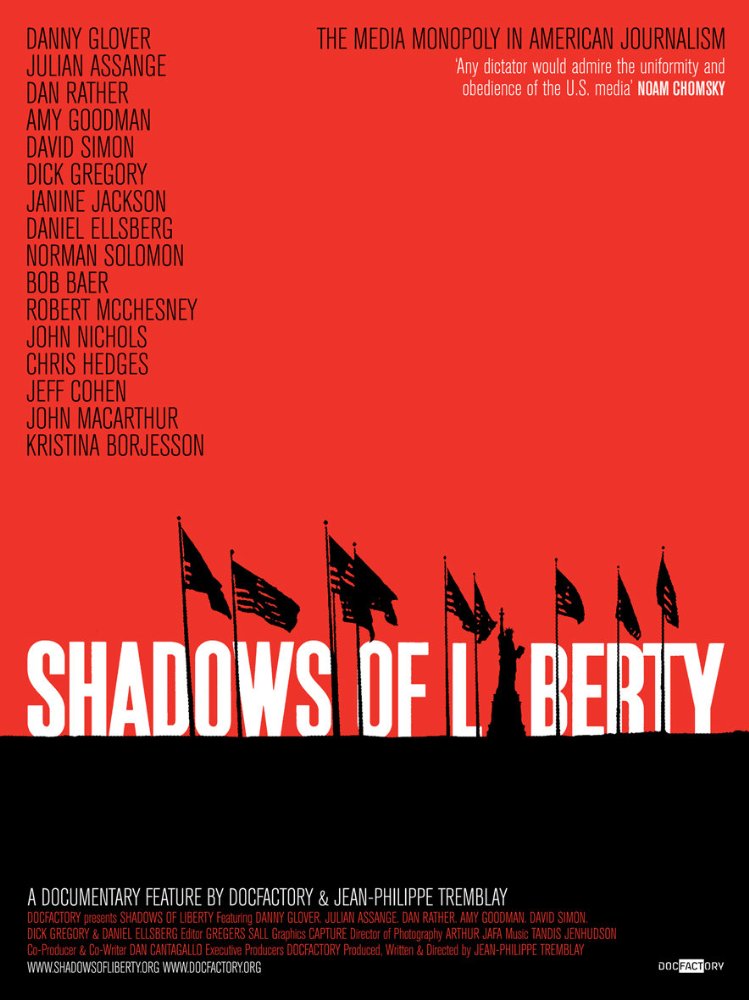
Reviews of "Life, Animated" and "Shadows of Liberty" and a radio show preview are all available in the latest Movies with Meaning post on the Blog Page of The Good Radio Network, available by clicking here.
Subscribe to:
Posts (Atom)